All Posts
Gen Z Isn't Chasing the Next Big Thing. They're Looking for the Real Thing.
November 23, 2026
Hiebing
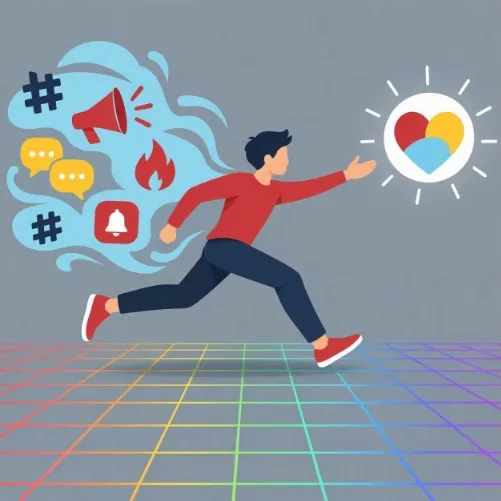
For years, the playbook for reaching Gen Z was to be first, be loud and be everywhere.
But a generation raised in an endless scrolling environment may finally be getting tired of new for newness’ sake.
Hiebing’s latest Gen Z research points to a meaningful shift: novelty alone isn’t enough. We surveyed 1,197 Gen Zers (ages 16–29) in April 2026 across food, social media, AI, banking, retail and brand attitudes. Across all categories, usefulness and quality are winning over hype, FOMO and trend-chasing.
Key takeaways
Novelty isn't enough anymore. Gen Z increasingly responds to genuine interest, usefulness and quality over hype or FOMO.
High engagement doesn't always mean high enthusiasm. Gen Z remains deeply active on platforms and technologies like social and AI but is becoming more intentional about how and why they use them.
Brands have to earn attention. Transparency, product quality, credible recommendations and useful experiences matter more than manufactured buzz.
FOMO has lost its grip
Fear of missing out used to be marketing's most reliable lever. Our latest research suggests its pull is weakening.
Limited-time menu items: When we asked what makes Gen Z want to try a limited-time item, the top reason was that "the food sounds genuinely good to me." Close behind was a general interest in trying new things. Not wanting to miss out and ties to a celebrity or creator ranked lower.
Food packaging: Influencer and celebrity tie-ins rank near the bottom of what prompts Gen Z to try a new packaged food. Clear benefit callouts and easy-to-read nutrition facts lead.
Banking: Only 9% say influencer ads or partnerships shaped their choice of bank. Seventy percent cite recommendations from family and friends.
Financial pressure: Money worries are Gen Z's top stressor, by a wide margin. Pessimistic Gen Zers are mostly spending on essentials, bills and loans. That leaves little room for trend-driven purchases.
The takeaway: Buzz might get attention, but it doesn’t create desire on its own. The product still has to be worth wanting.
Trend fatigue is real, and it's showing up in social
Gen Z is spending more time on social without necessarily liking social more. Fifty-six percent say they're using social media more than they did a year ago, and most spend three or more hours a day on it. But how they feel about that time is changing:
More than half say they scroll out of habit rather than enjoyment, and that social has become repetitive or boring lately.
Social is rated a strong channel for entertainment (76%) but a weak one for relaxing (45%).
Among those feeling burned out, the causes are mostly about volume. Sixty-two percent say they spend too much time scrolling, 58% cite too many ads or sponsored posts and 56% keep seeing the same content.
Forty-three percent of burned-out users say influencer content feels inauthentic.
The same fatigue extends to influencer trust. Gen Z's reliance on influencers for credibility has dropped significantly since 2022. The biggest decline is in the belief that influencer content is more credible than content from brands.
This doesn't mean a mass exodus. Gen Z isn’t abandoning social, but they are becoming more discerning about what deserves their attention there.
Chasing what’s real, as long as it’s useful
Gen Z isn’t adverse to what’s new; they adopt new things on their own terms, and the pattern repeats across categories.
AI: Awareness is nearly universal and most use it at least occasionally, but only a small share has made it part of daily life. Usage depends on the type of tool. 43% use generative AI models at least once a day, and 40% use AI-powered search that often. Use of AI recommendations on retailer sites are far lower, with 34% never using them. Brainstorming rose significantly since last wave, while entertainment and learning new skills dipped slightly. That points to a generation getting more intentional about AI, not just experimenting.
Food: Gen Z is most likely to pay more for healthier options on certain products, not across the board. On protein, the most common view is "I like it in certain products, but not everything needs it."
Shopping: Gen Z uses each channel for what it does best. In-store wins on confidence, easy returns and quality. Online wins on variety, convenience and price. Younger Gen Z is also branching out to online-only fashion and resale platforms.
Brands: Quality outranks brand name, and many feel quality has slipped in recent years. Only a small share feel "very connected" to the brands they use. Gen Z will switch for better pricing or something more relevant.
What this means for brands
If hype is a weaker lever, here's what the data says to do instead.
Be transparent and prove it. For Gen Z across every category, transparency is a top driver of trust. It’s an expectation, not a differentiator, and that includes being upfront when you use AI. The majority say AI-generated ads feel less authentic and many can tell when an ad is AI-made. Accountability goes hand in hand with transparency, so follow through on every commitment.
Rethink the influencer brief. Influencers still work, but the kind of content matters. Honest pros-and-cons lists are by far the most credible content, followed by long-term and everyday use reviews. Clear sponsorship disclosure and smaller creators also build credibility. Scripted, obviously paid promotion doesn't.
Invest in owned channels. Brand-direct content is gaining ground, and discovery on social is high even when ads don't drive an immediate purchase.
Earn the private recommendation. 46% of Gen Z often suggest products to friends and family, but only 22% often introduce brands to their social followers. The real influence happens in group chats and at the dinner table, not on the feed.
Show up as additive, not noisy. Gen Z is fatigued by social media but isn’t leaving it. Brands should cut repetitive and excessive ads and ease off FOMO messaging.
The bottom line
Gen Z isn't anti-new. They're anti-noise. The brands that stick with this cohort will be the ones that give them something worth being interested in and can show their work in an honest way. Make it useful. Make it credible. Make it worth talking about. Then let Gen Z decide it’s worth their attention.
Subscribe to Marketing Fuel
Sign up for our monthly newsletter, and we’ll send even more real-world inspiration and information straight to your inbox.